



Fasting, once primarily associated with cultural and religious traditions, has gained widespread attention in recent years as a powerful health and wellness strategy.
Backed by growing research in Nutrition Science and Metabolism, fasting is now recognized as more than just skipping meals—it is a structured approach that can positively influence the body at a cellular level. When done correctly, fasting may support weight management, improve metabolic health, and even promote longevity.
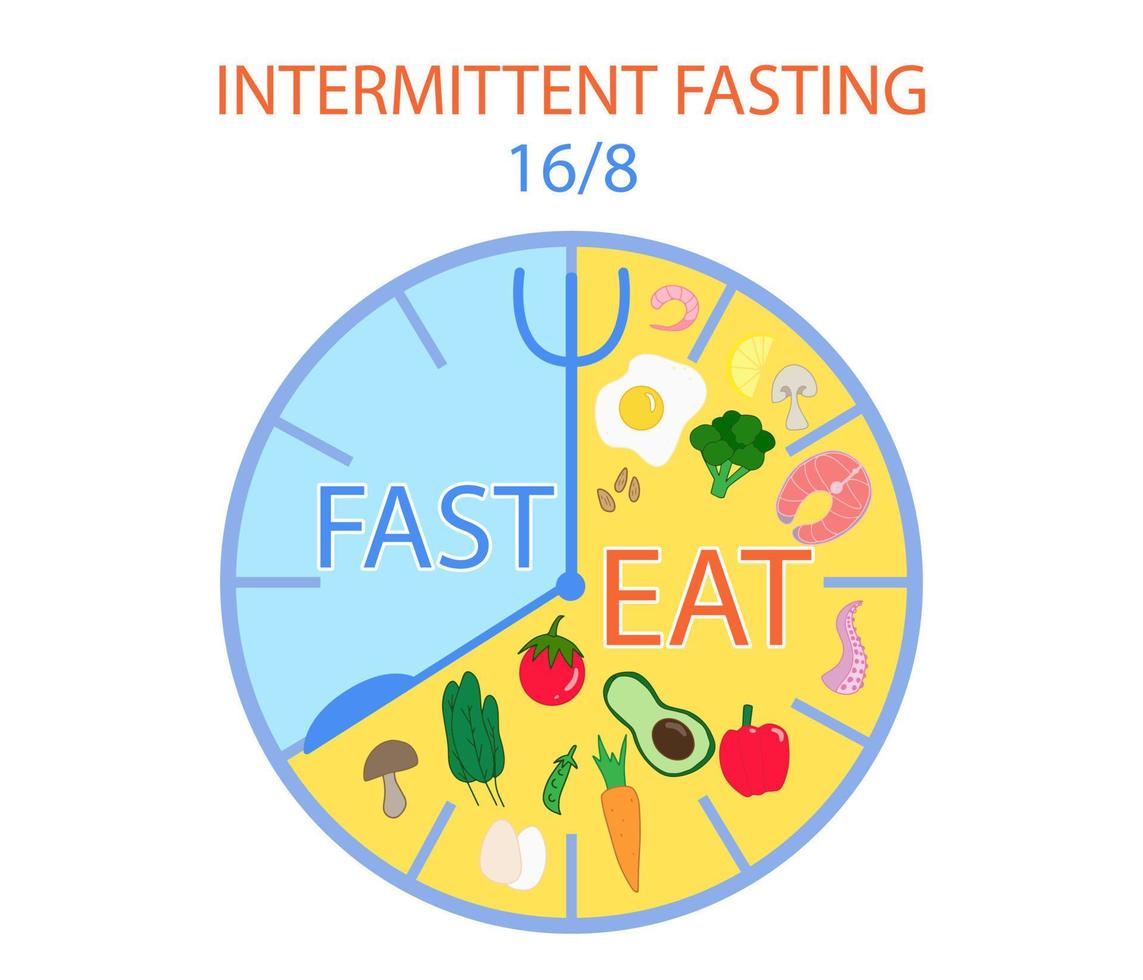
At its core, fasting involves voluntarily abstaining from food for a specific period. One of the most popular approaches today is intermittent fasting, which cycles between periods of eating and fasting. Common methods include the 16:8 approach (16 hours of fasting and an 8-hour eating window) and alternate-day fasting.
These methods are often easier to follow than traditional calorie-restriction diets because they focus on when you eat rather than strictly what you eat.
One of the key reasons fasting is effective lies in how it affects insulin levels. After eating, the body releases insulin to help process glucose from food. When you fast, insulin levels drop, allowing the body to shift from using glucose as its primary energy source to burning stored fat. This metabolic switch plays a major role in weight loss and fat reduction. Over time, improved insulin sensitivity may also reduce the risk of metabolic conditions such as Type 2 Diabetes.
Another powerful benefit of fasting is its impact on cellular repair processes. During fasting periods, the body activates a process known as Autophagy. This mechanism helps remove damaged cells and regenerate new ones, contributing to overall cellular health. Autophagy has been linked to reduced inflammation, improved immune function, and even a lower risk of certain chronic diseases.
Fasting may also support brain health. Research suggests that fasting can increase the production of brain-derived neurotrophic factor (BDNF), a protein that supports neuron growth and cognitive function. This may help improve memory, focus, and overall mental clarity. Additionally, fasting has been associated with reduced oxidative stress, which plays a role in aging and neurodegenerative diseases.
Weight management is one of the most common reasons people turn to fasting. By naturally reducing the eating window, many individuals consume fewer calories without consciously restricting food intake. However, it is important to emphasize that fasting is not a license to overeat during non-fasting periods. The quality of food still matters. A balanced diet rich in whole foods, lean proteins, healthy fats, and fiber is essential for maximizing the benefits of fasting.
Hormonal balance is another area where fasting shows promise. Studies indicate that fasting can increase levels of human growth hormone (HGH), which supports fat loss and muscle preservation. At the same time, reduced insulin levels and improved metabolic flexibility allow the body to use energy more efficiently. These hormonal changes make fasting a unique and effective tool for body composition improvement.
Despite its many benefits, fasting is not suitable for everyone. Individuals with certain medical conditions, pregnant or breastfeeding women, and those with a history of eating disorders should approach fasting with caution or avoid it altogether. It is always advisable to consult a healthcare professional before making significant changes to your eating patterns.

Hydration plays a crucial role during fasting periods. Drinking enough water helps maintain energy levels, supports digestion, and prevents dehydration. Non-caloric beverages such as herbal teas and black coffee are often allowed during fasting windows, depending on the specific method being followed.
Another important factor is consistency. Like any health strategy, fasting delivers the best results when practiced regularly and combined with other healthy habits. Adequate sleep, regular physical activity, and stress management all enhance the positive effects of fasting. Without these supporting factors, the benefits may be limited.
It is also worth noting that fasting is not a quick fix. While some people experience rapid initial weight loss, sustainable results come from long-term adherence and balanced lifestyle choices. The goal should not be extreme restriction, but rather creating a pattern that fits naturally into daily life.
In conclusion, the power of fasting lies in its ability to work with the body’s natural processes. By improving insulin sensitivity, promoting Autophagy, and supporting metabolic health, fasting offers a science-backed approach to better health and longevity. However, it is not a one-size-fits-all solution. When practiced mindfully and combined with proper nutrition, fasting can be a valuable tool for those seeking a sustainable and effective way to improve their overall well-being.
