
Business travel has long been seen as a cornerstone of professional success. From closing international deals to strengthening client relationships, getting on a plane has traditionally signaled ambition and growth. Yet in today’s world—shaped by digital communication, economic uncertainty, and evolving workplace expectations—the value of business travel is no longer as straightforward as it once seemed.
Beneath the surface lies a complex mix of hidden costs and overlooked benefits that companies and professionals must carefully weigh.
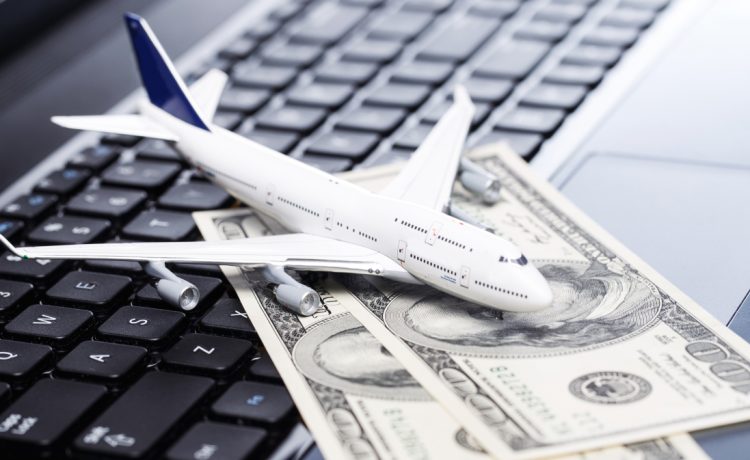
One of the most obvious costs of business travel is financial, but the true expense often goes beyond airfare and hotel bookings. Companies must account for meals, ground transportation, travel insurance, and last-minute changes that can quickly inflate budgets.
Even more subtle are the indirect costs: lost productivity during transit, time zone fatigue, and the inefficiencies that arise when employees are pulled away from their regular responsibilities. A two-day trip can easily translate into nearly a full week of disrupted workflow.

Another hidden cost is the impact on employee well-being. Frequent travel can take a physical and mental toll, especially when it involves long-haul flights, irregular sleep schedules, and high-pressure meetings. Over time, this can lead to burnout, decreased job satisfaction, and even health issues.
Employees may struggle to maintain routines, relationships, and work-life balance, particularly if travel becomes a constant expectation rather than an occasional requirement.
Environmental impact is also an increasingly important consideration. Air travel contributes significantly to carbon emissions, and many organizations are under growing pressure to meet sustainability goals. What was once viewed as a necessary business expense is now being scrutinized through an ethical lens.
Companies must decide whether the benefits of face-to-face interaction justify the environmental cost, or if virtual alternatives can achieve similar outcomes with less impact.

Despite these challenges, business travel continues to offer unique advantages that are difficult to replicate digitally. One of the most significant benefits is the power of in-person connection.
Meeting clients, partners, or colleagues face-to-face fosters trust, strengthens relationships, and often accelerates decision-making. Nuances such as body language, tone, and informal conversation play a crucial role in building rapport—elements that are often lost in virtual meetings.
Business travel also opens the door to new opportunities. Being physically present in a different market allows professionals to gain firsthand insights into local cultures, consumer behavior, and industry trends.
This kind of immersive experience can lead to more informed strategies and innovative thinking. It can also enhance an individual’s adaptability and global awareness—qualities that are increasingly valuable in today’s interconnected economy.
From a career perspective, travel can serve as a powerful development tool. Employees who travel for work often gain exposure to high-level meetings, cross-functional teams, and international operations.
These experiences can build confidence, improve communication skills, and position individuals for leadership roles. In some cases, simply being “on the ground” can make the difference between being overlooked and being recognized.
There is also a symbolic dimension to business travel. For clients and partners, a company’s willingness to invest time and resources in an in-person visit can signal commitment and seriousness.
It demonstrates that the relationship is valued, which can be particularly important in competitive or high-stakes situations. In certain cultures, face-to-face interaction is not just preferred but expected, making travel essential for maintaining credibility.
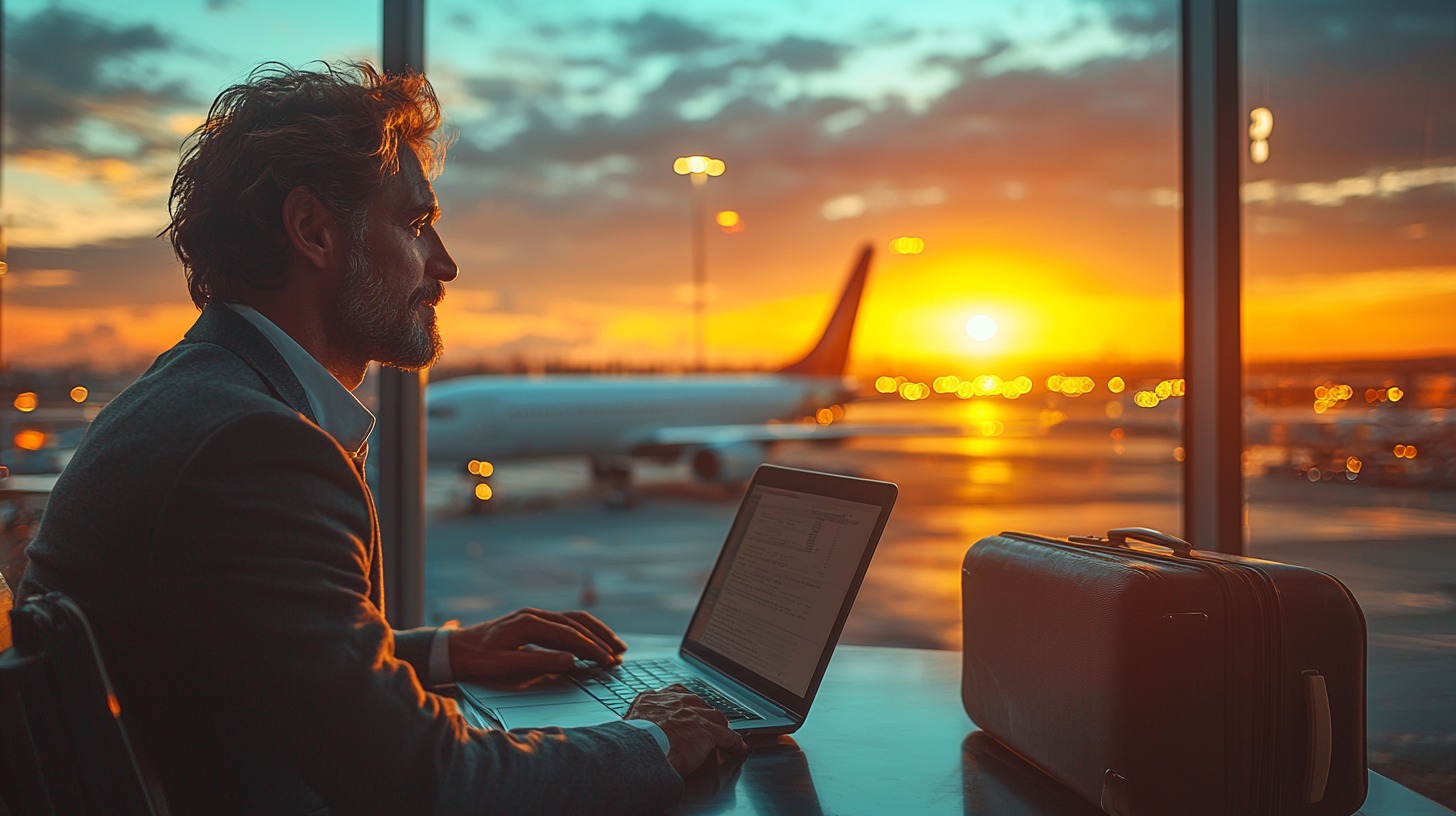
However, the rise of advanced communication technologies has reshaped the landscape. Video conferencing, collaboration platforms, and virtual reality tools have made it easier than ever to connect across distances.
For many routine meetings, these solutions offer a cost-effective and efficient alternative to travel. As a result, companies are becoming more selective, reserving travel for situations where its benefits clearly outweigh its costs.
The key challenge for modern organizations is finding the right balance. Rather than viewing business travel as either essential or obsolete, it should be approached strategically.
This means evaluating each trip based on its purpose, potential return on investment, and impact on both employees and the environment. It also involves setting clear policies, supporting employee well-being, and leveraging technology to minimize unnecessary travel.
In the end, modern business travel is neither purely beneficial nor inherently wasteful. It is a nuanced tool—one that can drive growth, strengthen relationships, and create opportunities when used wisely, but also one that carries significant financial, personal, and environmental costs.
By understanding these hidden dimensions, companies can make more informed decisions and ensure that every journey truly serves a meaningful purpose.